
Indo-Myanmar Border Fencing Needed
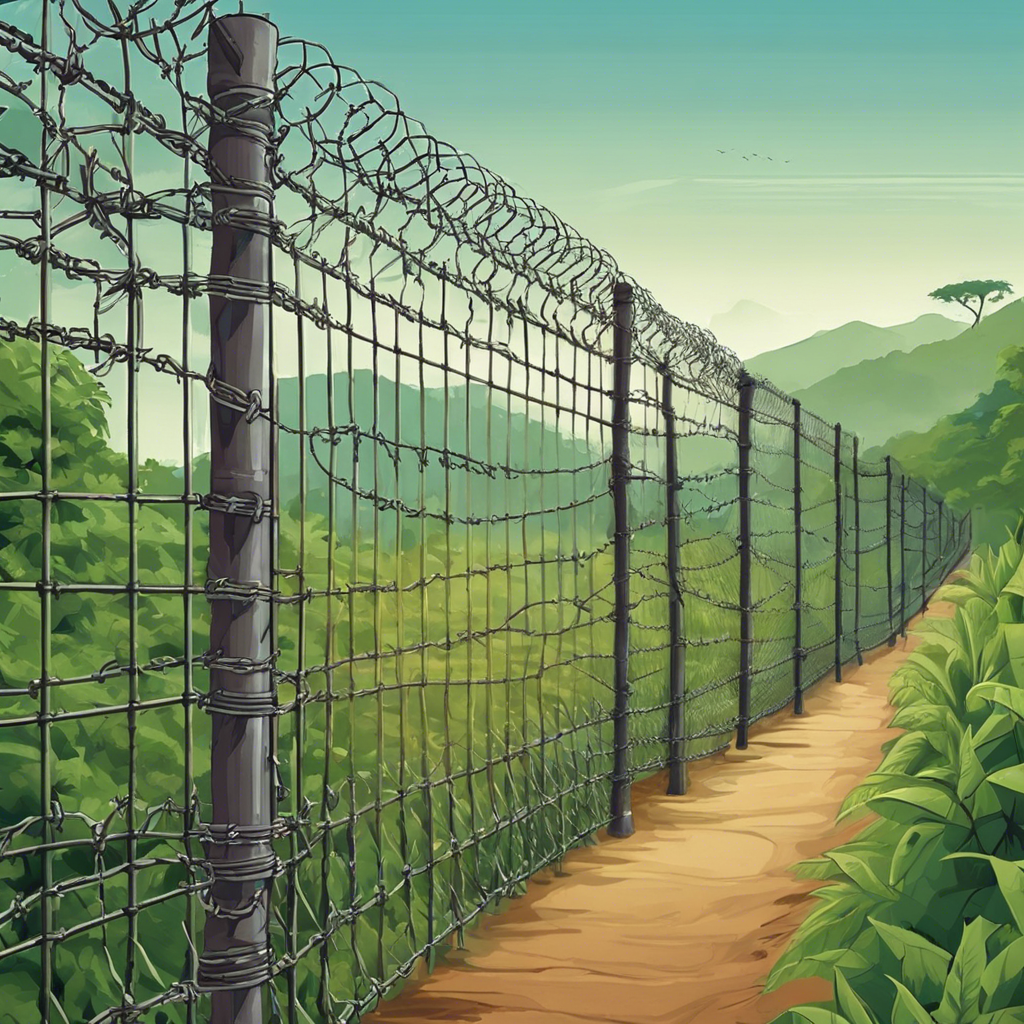
Image of Indo-Myanmar Border Fencing
Imphal 13th August 2024 Written by Th. Ramananda Singh
Indo-Myanmar Border Fencing Needed
Introduction
As the world becomes more interconnected, border security is crucial. For India and Myanmar, effective fencing along their shared border is vital for national security, controlling crime, and fostering peaceful relations. The complexity of their bilateral ties—rooted in history and culture—highlights the need for robust fencing to tackle challenges. This blog will discuss the urgency of Indo-Myanmar fencing, its benefits, and the shared fate of both nations. The need for effective fencing is largely driven by security issues, as the region faces cross-border crimes like human trafficking and drug smuggling, jeopardizing local safety. Well-structured fencing can reduce illegal activities, enhance law enforcement, and protect national borders.
Moreover, the socioeconomic context further emphasizes the necessity for fortified borders. The Indian government has invested in development initiatives aimed at improving infrastructure and fostering trade in the northeastern states. However, without proper border control measures, these investments may be jeopardized by the rampant flow of illegal goods and services. Effective fencing can clarify borders for legal trade and deter criminal activities.
The historical and cultural ties between India and Myanmar also play a crucial role in this discourse. As neighbors with shared histories, both nations understand the importance of maintaining peaceful relations. Fencing can help manage conflict by regulating movement and promoting cooperation in border trade and cultural exchanges. When communities feel safe, it fosters partnership and mutual respect, essential for long-term peace.
Additionally, the geopolitical landscape in South Asia necessitates vigilant border security. India and Myanmar must prioritize border security amid rising insurgent groups and external threats. Collaborating on fencing solutions can enhance security and strengthen bilateral relations for joint counter-terrorism initiatives.
Effective fencing along the India-Myanmar border is crucial for national security, socioeconomic growth, and historical ties. Investing in strong border infrastructure will protect citizens and foster cooperation. Both governments must prioritize this issue for regional stability and the welfare of their people.
1: The Geopolitical Landscape
The India-Myanmar border extends about 1,643 kilometers and presents both opportunities and challenges. This border features a variety of landscapes, including dense forests and hilly areas, which complicate effective monitoring. Understanding the geopolitical context is crucial for highlighting the need for fencing. As China’s influence in the region grows, India must implement strategic fencing to protect its territorial integrity.
The complexities of the India-Myanmar border are further intensified by various ethnic groups living on both sides, adding social dynamics to the geopolitical situation. These communities often have cross-border connections, making law enforcement and border management more challenging. The occasional insurgent activities and trafficking from these areas emphasize the need for improved border security.
Additionally, the evolving relationship between India and Myanmar in terms of regional trade and security cooperation underscores the importance of having a secure and clearly defined boundary. While these economic ties can benefit both nations, the vulnerabilities along the border can be taken advantage of by non-state actors. Thus, strong fencing acts as both a physical barrier and a symbol of India’s commitment to regional stability and the deterrence of illegal activities.
Moreover, advancements in surveillance and monitoring technology should enhance any physical border infrastructure. The use of drones, sensors, and intelligence-sharing can create a comprehensive approach to border security, allowing India to remain vigilant against emerging threats. By investing in these technologies, India can boost its response initiatives, protect its interests, and contribute to a more secure Indo-Pacific region.
In summary, as India seeks to balance its sovereignty with regional collaboration, strategic fencing along the India-Myanmar border is vital. It is an essential step not only for maintaining territorial integrity but also for fostering stability and peace in a more interconnected world.
2: The Challenges of Border Security
The Indo-Myanmar border faces significant security issues such as illegal immigration, drug trafficking, and insurgency. The presence of various ethnic groups in the border region creates a complex and unstable situation. Ineffective border control allows these problems to persist, leading to conflict and unrest on both sides. Building fences between the countries could help deter illegal activities while promoting lawful trade and movement. However, constructing such infrastructure presents challenges. The political relationship between India and Myanmar significantly impacts the feasibility of border security measures. Negotiations must consider the rights and feelings of local communities who might feel isolated by these barriers. Additionally, collaboration between law enforcement agencies in both countries is crucial for implementing effective solutions.
The diverse cultures along the border further complicate issues of identity and loyalty. Many communities live across the border and share family ties and languages, making it important to approach border fortification sensitively. Strategies for managing the border should involve dialogue and participation from local stakeholders to build trust and encourage cooperation across borders.
Moreover, simply strengthening border defenses will not resolve the socioeconomic issues that drive illegal activities. Investing in development programs, education, and healthcare in border areas can help reduce poverty and discourage criminal behavior. By creating sustainable livelihoods, governments can foster environments where communities can thrive without resorting to illegal means.
In summary, while building fences may address some security challenges along the Indo-Myanmar border, it is essential to take a comprehensive approach that emphasizes cooperation, dialogue, and economic development. This approach is necessary to balance security needs with the rights of local populations, ultimately leading to lasting peace and stability in this complex region.
3: Economic and Cultural Implications
Fencing serves not only as a means of security but also as a crucial factor in promoting economic collaboration and cultural exchange. By creating a secure border, India and Myanmar can enhance cross-border trade, tourism, and joint initiatives. A stronger border allows for efficient management of resources and infrastructure development while honoring the cultural connections shared by both nations. Collaborative efforts to improve border regions can lead to better living conditions and a deeper mutual understanding.
Additionally, a strong border can foster dialogue and cooperation between India and Myanmar, encouraging partnerships that extend beyond political limitations. By engaging in discussions about common challenges and opportunities, both countries can develop policies that benefit their citizens and promote a collaborative spirit. Programs such as joint training for law enforcement and border management can enhance security and build trust among local communities.
The opportunities for cultural exchange are immense. Festivals, trade fairs, and art exhibitions celebrating the shared heritage of border nations can boost local economies and foster a united identity beyond borders.
Furthermore, using technology to improve border management can make trade processes more efficient and transparent. This will facilitate the movement of goods and services, enabling local businesses to prosper and create job opportunities that boost the local economy. Infrastructure improvements, including better roads and transportation networks, will enhance connectivity and encourage investment in the region, fostering sustainable development.
In conclusion, security and cooperation can coexist to create a vibrant environment that promotes peace and prosperity. By focusing on collaboration, India and Myanmar can enter a new phase of growth that strengthens their ties and paves the way for future generations to live in harmony.
4: Technological Innovations in Fencing
In the 21st century, technological advancements offer new ways to improve border security beyond just physical barriers. Smart fencing solutions that include surveillance drones, motion sensors, and integrated communication systems can greatly enhance security efforts. By combining these advanced technologies with physical fencing, countries can create a more effective approach to border management that addresses modern challenges.
Additionally, using artificial intelligence (AI) and machine learning can improve the analysis of data from these smart fencing systems. AI can process large amounts of information in real-time, helping to identify patterns and potential threats more quickly than traditional methods. This leads to faster responses from border patrol teams, enhancing overall safety and reducing the chances of illegal crossings.
Integrating biometric technologies, such as facial recognition and fingerprint scanning, also improves identification at border checkpoints. This adds an extra layer of security by ensuring that only authorized individuals can access certain areas, while also speeding up the passage of legitimate travelers.
Furthermore, collaboration between nations can be enhanced through shared technology platforms. Countries can enhance border security by sharing data and best practices, forming a unified strategy to strengthen defenses. Joint training on advanced technologies will boost operational efficiency across the border.
Looking ahead, investing in research and development of innovative border security technologies will be essential. Governments should prioritize funding for advanced sensing technologies, like LiDAR and ground-penetrating radar, which can further improve surveillance and detection capabilities.
Ultimately, the future of border security relies on effectively integrating technology with human oversight, creating a responsive and resilient system.Countries can improve security and support trade and travel, fostering good relations with neighbors by adopting these technologies.
Conclusion
The need for fencing between India and Myanmar goes beyond just creating physical barriers; it is essential for promoting peace, security, and mutual respect between the two countries. By pursuing this initiative, India and Myanmar can tackle important security issues while also fostering economic growth and cultural exchange. In an era of geopolitical uncertainty, strengthening national borders with effective fencing is crucial for maintaining stability and harmony in the region. Although the path forward may be difficult, the goal of a secure and prosperous future depends on these important developments.










1 comment