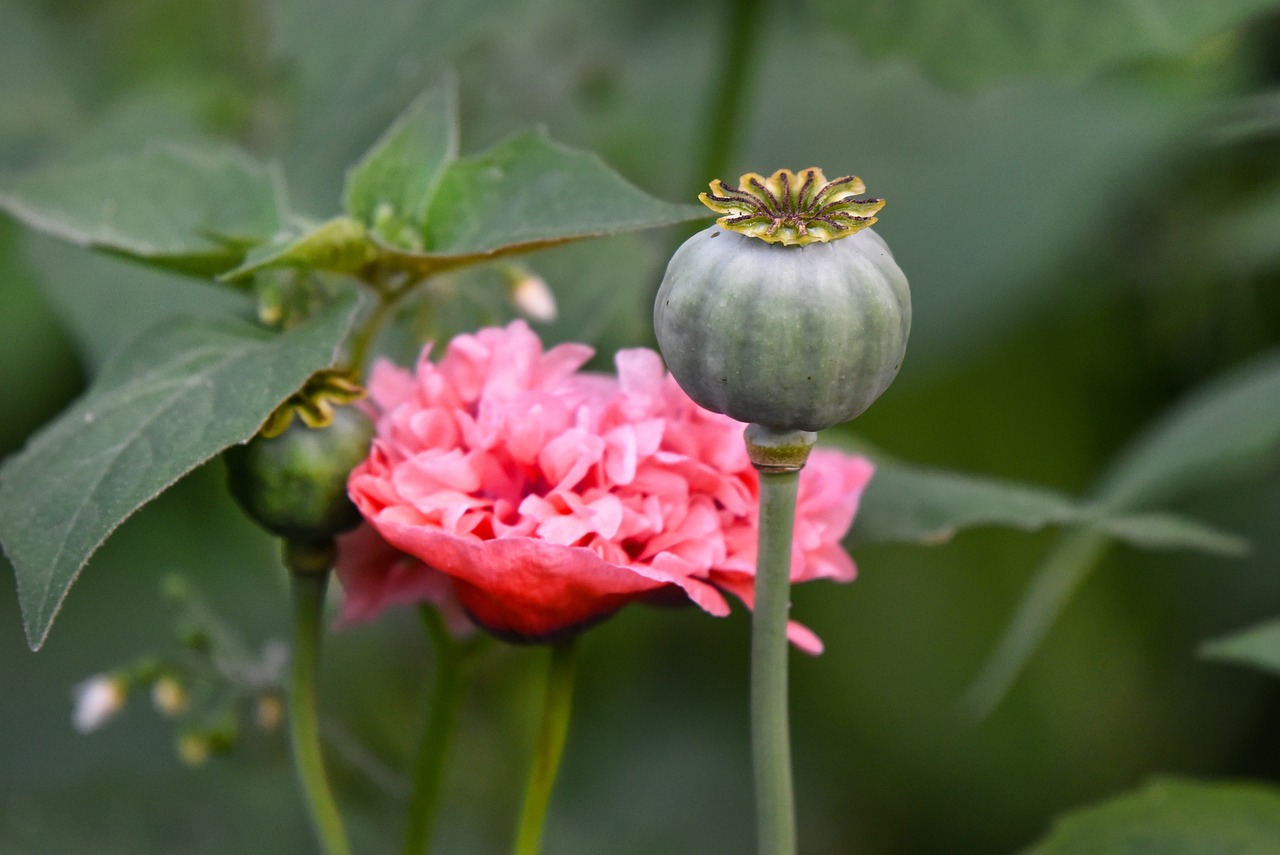
Opium Legalization in Myanmar: Drug Trade Challenges

Imphal12/08/2024 Written by Th. Ramananda Singh
1. Opium Legalization in Myanmar: Drug Trade Challenges
1.1 Introduction
Myanmar, or Burma, holds importance in Southeast Asia and has a long history of opium cultivation and trade. With rising discussions on drug policy and human rights, the issue of who can legalize Myanmar’s opium trade is crucial. This blog examines the history, key players, and potential effects of legalization.
Opium’s Historical Context in Myanmar
Myanmar has a legacy of opium cultivation, especially in Shan State. British colonial rule notably boosted opium production as the British exploited local resources. After gaining independence in 1948, opium remained vital for many marginalized communities. In the 1990s, the military government attempted to eliminate opium cultivation through coercive measures and by promoting alternative crops. Corruption and infrastructure problems hindered these efforts. The drug trade thrived, making Myanmar a top opium producer and leading heroin supplier in Southeast Asia.
Current Landscape of the Drug Trade
In the early 21st century, Myanmar is crucial to the global opium trade, especially in the Golden Triangle. Organized crime and ethnic groups exploit drug trafficking to fund their activities. UN reports opium cultivation peaked in 2015, causing increased heroin and meth production, worsening health and legal issues. Local farmers rely on opium due to poverty and lack of alternatives, despite eradication efforts.
Political instability, corruption, and rising synthetic drug use complicate enforcement efforts, increasing addiction rates and straining healthcare systems. Addressing Myanmar’s drug crisis requires a broad strategy emphasizing economic development, education, and community engagement for sustainable alternatives. Cooperation between regional governments and international organizations is crucial to create effective policies against drug trafficking and related socio-economic issues. Opium production continues to obstruct peace and development in Myanmar’s complex socio-political environment.
1.2 The Case for Legalization
Debates have arisen about legalizing the opium trade in Myanmar, with supporters citing several potential benefits.
- Economic Opportunities
Legalizing opium can aid traditional farmers in shifting to sustainable livelihoods through a regulated medicinal market, particularly in pharmaceuticals. This strategy can enhance agricultural growth, boost farmers’ economies, and enable safer opiate production. Strict regulations may diminish the risks of illicit drug trade and related violence. Investment in cultivation and distribution will generate jobs and uplift local economies. Medical opium can boost research, helping pharma create new treatments, meet opioid demand, and reduce illegal activities.
Environmental considerations are vital for regulated opium farming, as sustainable practices promote biodiversity. Training in eco-friendly techniques will enhance soil health and crop yields. This legalization offers a chance for significant socio-economic reform, potentially lowering drug-related violence and poverty, thus empowering communities. It views opium as a tool for healing, sparking talks on reforming drug policies related to addiction, poverty, and education. A legalized opium framework could foster compassionate addiction strategies based on prevention and rehabilitation.
Regulating opium production would enhance public health initiatives, ensuring safe medicinal opiate distribution and addressing the synthetic opioid overdose crisis. Improved supply chains would facilitate access to necessary medications for chronic pain and terminal illnesses without stigma. Education is crucial, informing farmers about opioid health impacts and promoting responsible practices. Diversifying pain management can bolster agriculture and local economies.
Global cooperation is essential, as nations legalizing opium can promote sustainable farming and strengthen regional economies. Legalizing opium cultivation is an opportunity to rethink drug use, agriculture, and health. By adopting a holistic view, we can transform the perception of opium into one of healing and community health.
- Public Health Benefits
Legal regulation can mitigate illegal drug use risks, such as overdose. A harm reduction model like Portugal’s could work for Myanmar. Legalizing opium for medical use may create a safer environment and reduce stigma. Addressing poverty and education through drug education empowers informed choices. Integrating mental health services can support substance-dependent individuals without legal fears.
Engaging local communities is vital for culturally relevant programs. Involving community leaders and former users builds trust. Safe consumption spaces under medical supervision are effective and should be included in public health strategies.
Regulating drugs can redirect resources from incarceration to treatment, enhancing healthcare and education. A well-planned legal framework, with community input, can improve health and reduce drug-related harms. Effective regulation must include monitoring and evaluation to assess impact. Establishing performance indicators ensures harm reduction aligns with community needs.
Public awareness campaigns are crucial for reshaping views on drug use, framing it as a health issue. By fostering understanding, society can encourage help-seeking without stigma. Educational institutions and community organizations can share recovery stories to facilitate this change.
International cooperation can help address drug regulation challenges. Myanmar can adapt successful harm reduction strategies from other countries. Collaborating with global health organizations can provide resources and expertise.
Technology is essential in harm reduction. Mobile apps and online platforms can offer support and connect users with healthcare providers.
To create an effective drug policy in Myanmar, a comprehensive approach focusing on health, education, and community involvement is needed. A harm reduction-based model can significantly reduce the negative impacts of drug use, fostering a healthier society.
- Reducing Violence and Corruption
Regulating opium trade in Myanmar could curb violence and corruption by undermining organized crime. Legal channels would provide farmers a sustainable income, promote fair pricing, and enhance rural agricultural practices and infrastructure. Trade revenue could finance vital services like healthcare and education, improving life quality and reducing organized crime’s allure. International cooperation would be vital to ensure the trade is managed responsibly, reframing opium as a legitimate agricultural product.
Overall, a regulated opium trade presents an opportunity for Myanmar to tackle violence, corruption, and economic challenges. By focusing on regulation rather than prohibition, the country could pave the way for stability and prosperity. Legal opium farming may enhance the pharmaceutical industry, create jobs, and generate export revenue for better infrastructure and services.
Engaging with international bodies on drug policy reform would strengthen Myanmar’s relationships with those prioritizing harm reduction. Education on regulated opium production can empower communities to make informed livelihood choices. Regulating Myanmar’s opium trade could reduce violence and foster development and health.
1.3 The Obstacles to Legalization
While the arguments for legalization are compelling, several significant obstacles remain:
Political Will
The military junta in Myanmar, since the February 2021 coup, focuses on control rather than addressing drug policy complexities. Weak governance in opium regions hinders legalization and fuels violence, as drug production supports local income. The junta’s military focus exposes communities and harsh responses aggravate humanitarian crises without addressing cultivation challenges. Farmers, lacking alternative livelihoods and trust in authorities, turn to illicit drug production, caught in the junta’s inconsistent enforcement. This climate of fear stifles dialogue on drug reform.
The international response is fragmented, with sanctions failing to tackle drug use and production issues, complicating foreign relations. Without governance changes prioritizing dialogue, drug policy reform is impossible, leaving millions affected by the illicit trade and conflict. Additionally, drug production drives armed conflict, as ethnic groups rely on opium, complicating power dynamics. Eradication efforts often ignore political effects, causing farmer resentment from a lack of alternatives. Humanitarian groups face obstacles due to military actions and restrictive junta policies that impede collaboration. Stigmatization of drug use complicates public health responses, with the junta favoring punishment over health-focused solutions. Advocacy for humane drug policies is overshadowed by narratives of control.
International actors should prioritize dialogue and support local alternative crop initiatives, promoting policies that address drug production realities. Trust-building with local communities is essential for a strategy that emphasizes engagement over oppression. Reform relies on internal factors and global attention to human rights and sustainable development. Joint efforts that acknowledge Myanmar’s intricate drug issues can disrupt violence and foster peace and sustainable livelihoods.
International Obligations
Myanmar is restricted by international drug treaties like the 1961 Convention, which limits opium production and complicates legalization. Domestic policy shifts could face international opposition regarding drug trafficking due to borders with drug-producing countries and armed groups. Rural farmers depend on opium for income; providing economic alternatives is vital to prevent worsening poverty and instability. Political turmoil and conflict hinder effective drug policy implementation, underscoring the need for local community engagement in policy discussions.
Balancing international commitments with local realities necessitates collaborative approaches with governments, NGOs, and communities to combat both supply and demand. Educational efforts on the risks of opium and alternative livelihoods can empower locals to lessen drug dependency.
Regional cooperation is vital for tackling drug trafficking, allowing shared resources for better border control. Seeing addiction as a health issue promotes compassionate treatment, and rehabilitation investment can reduce its societal impacts. Engaging local ethnic groups in policy formulation is crucial for developing effective, tailored approaches, fostering community commitment to sustainable alternatives.
Regular assessment and adaptation of drug policies are necessary to respond to evolving drug trafficking and addiction issues. Data-driven decisions ensure policies remain effective. In summary, Myanmar faces significant drug control challenges but also has opportunities for community and collaborative progress. A holistic strategy integrating local insights with international obligations can lead to sustainable improvements in addressing drug issues.
Societal Stigma
In Myanmar, stigma around drug use hinders recognition of addiction as a health issue, reducing education and help-seeking. The legal system criminalizes addicts, restricting effective rehab access. Many hospitals lack the resources to treat addiction, leaving individuals without adequate support and perpetuating substance misuse.
As global reform movements rise, Myanmar must engage in discussions about adopting a compassionate, evidence-based approach to drug use. By challenging entrenched beliefs, there is an opportunity to prioritize healing over punishment. Healthcare providers, educators, and leaders must collaborate to integrate addiction treatment into general healthcare and normalize substance use discussions.
Involving former addicts in advocacy shares inspiring stories of recovery. Legislative reform is essential; policymakers should evaluate decriminalization and harm reduction methods like clean needle access and supervised consumption sites.
These changes can support individuals with addiction, their families, and communities, lowering healthcare costs and enhancing stability. Myanmar’s future relies on shifting the addiction narrative to promote compassion and support recovery for a healthier society.
1.4 Conclusion
Legalizing Myanmar’s opium trade requires addressing historical, socio-economic, and legal issues, not just political action. Influencers include government officials, military leaders, local communities, and international organizations. Myanmar should adopt inclusive strategies focusing on the views of those impacted by the opium trade. Solutions must emphasize socio-economic development, public health, and community involvement to tackle the challenges posed by opium cultivation and trafficking. Despite the obstacles, pursuing reform is crucial for a stable and prosperous future for the nation.
https://www.facebook.com/urnews7/
http://urnews7.com/health/http-urnews7-com-wp-admin-post-phppost-11/











1 comment