Just found out nearly 12% of India’s spice samples are questionable!
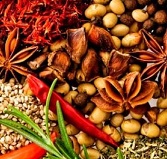
Image of Spice sample
Imphal, 18th August 2024 by Th Ramananda Singh
Just found out nearly 12% of India’s spice samples are questionable!
Learning that almost 12% of India’s spice samples were questionable was a shocking wake-up . In my spice-rich home, this news resonated. Our spices did more than flavor; they embodied tradition, culture, and memories.The idea that something so essential could taint unsettled me and felt deeply personal.
The first time I read the report, I felt a pang of disbelief. How can spices, essential to Indian cuisine for centuries, be under scrutiny now? The data revealed that nearly 12% of the tested spice samples failed to meet quality and safety standards. This issue’s magnitude staggered me, especially considering India’s domestic spice market valued at $10.44 billion in 2022, with exports reaching a record $4.46 billion.
My initial shock quickly gave way to concern. What did this mean for the countless families who, like mine, rely on these spices daily? The idea that our beloved masalas could be compromised was more than just a health issue—it was a cultural crisis. I thought of the mornings spent with my grandmother in the kitchen, the aroma of freshly ground spices filling the air as she prepared her famous curry. The spices were not just ingredients; they were threads that wove together our family’s history.
Yet, as I delved deeper, I realized that this issue wasn’t just about contamination. It was about the challenges faced by an industry that straddles the line between tradition and modernity. The demand for spices, both domestically and internationally, has grown exponentially. But with this growth comes the pressure to produce more, often at the expense of quality. The findings reported by Reuters were a wake-up call, highlighting the urgent need for stricter quality control and better regulation.
But what struck me most was the resilience of our culinary culture. As the crisis unfolded, I witnessed a steady response, not panic, but a commitment to protect our values. Interest in organic and local spices surged as people aimed to reclaim authenticity. I found myself returning to the basics, learning to grind my own spices at home, just as my grandmother did. It was a small act, but it felt empowering—a way to reclaim control over something that felt so integral to my identity.
This experience taught me valuable lessons about vigilance and responsibility. It highlighted that what we take for granted—spices and meal flavors—arise from tradition, commerce, and regulation. It also stressed the need for transparency and accountability in food production and our choices as consumers.
In the end, this was more than just a story about questionable spices. It highlighted the balance of preserving tradition while embracing change. As I enjoy the tastes of home, I appreciate the care in every spice and the stories they hold.













1 comment