Drone Bombing in India? What’s Next for Intelligence in 2024?
IMPHAL 04/09/2024 By Th Ramananda Singh
Drone Bombing in India? What’s Next for Intelligence in 2024?
Drone Bombing in India? India is on the verge of becoming a superpower, experiencing notable economic growth and increased political clout. This progress has complemented a significant enhancement of its military strength, establishing India as a key international player. However, new threats, particularly the rise of drone warfare, now pose serious risks to its national security and sovereignty.
Drone bombings in India have highlighted significant security concerns, exposing weaknesses in intelligence and defense strategies. As these attacks evolve, they raise critical questions about India’s preparedness and the robustness of its defense infrastructure.
This blog post explores the implications of drone bombings in India, focusing on the challenges and future strategies for intelligence agencies in 2024. It will address the emerging threats of drone warfare and propose solutions to enhance India’s defensive capabilities. As technology evolves, it is crucial for India to develop strategies that safeguard its sovereignty and security, requiring collaboration among intelligence agencies, policymakers, and military leaders in a changing global landscape.
The Rising Threat of Drone Warfare in India
The threat of drone bombings in India raises a vital question: What does this mean for intelligence operations? This concern intensified following the first recorded use of weaponized drones against civilians in Koutruk Village, Manipur, marking a significant rise in UAV violence.
The drone attacks sadly resulted in two deaths and nine injuries as insurgents dropped explosives on civilians. Hours later, another strike hit the India Reserve Battalion in Imphal East, destroying three bunkers. These incidents reveal vulnerabilities in India’s defense and highlight the growing drone capabilities of local militant groups.
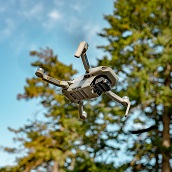
The operational capabilities of these drones are impressive, capable of covering distances from 500 meters to 15 kilometers. Their capacity to carry various explosives, including grenades and mortar bombs, poses a significant challenge for India’s security forces. The rise of these advanced quadcopters, which can hover and capture aerial images, complicates an already tense conflict. This raises urgent questions: Will drone bombing become a recurring threat in India? What steps should intelligence agencies take to address this emerging danger?
As the nation confronts this unprecedented danger, security personnel are proactively seeking vital assistance and specialized expertise from the National Security Guard (NSG) in addition to other relevant agencies. Their goal is to devise and implement effective countermeasures that can adequately address this emerging form of warfare. The collaboration with these specialized agencies is crucial, as it could lead to the development of innovative strategies aimed at neutralizing the threats posed by drone technology in the hands of militant forces. The evolving landscape of conflict in the region demands a comprehensive and coordinated response, emphasizing the necessity for vigilance and adaptability within India’s security framework in order to safeguard its civilian population from the rising tide of drone-enabled violence.
A New Challenge for India’s Intelligence Community
The drone bombing incidents in India pose crucial questions about the future of intelligence operations and the capacity of India’s intelligence community to adapt to drone warfare. Drones signify a major tactical shift, challenging traditional military strategies reliant on ground forces and aircraft. Their stealth capabilities complicate the threat landscape, allowing adversaries to strike from afar while often evading detection.
India’s intelligence agencies must enhance their ISR capabilities to effectively track and counter drone threats, which are critical for national security. Recent events in Manipur highlight the need for a revised security approach that incorporates emerging technologies and new warfare methods. As we reflect on drone bombing implications in India, it’s clear the intelligence community must proactively tackle these complex challenges.
Consequently, this involves significant investment in advanced technologies that can enhance detection and countermeasure capabilities. Additionally, recalibrating existing defense policies will be essential to develop comprehensive strategies that can effectively counter this new and unconventional form of warfare. In this way, the intelligence community can position itself to respond adequately to the pressing security threats emerging from the drone warfare landscape, ensuring that the nation is better prepared to face whatever challenges lie ahead.
The Role of Technology in Countering Drone Threats
As India faces the increasing threat of drone bombing, the role of technology in countering these threats becomes paramount. Drone bombing in India? What’s next for intelligence? The answer lies in the development and deployment of cutting-edge counter-drone technologies. These technologies include radar systems, jammers, and laser weapons designed to detect, disrupt, and destroy hostile drones. Additionally, artificial intelligence (AI) and machine learning (ML) can be leveraged to enhance the accuracy and efficiency of these systems, enabling real-time threat detection and response.
India’s defence establishment must also consider the deployment of anti-drone systems across critical infrastructure, military installations, and urban areas. The recent installation of an anti-drone system in West Imphal, covering an area of 8-10 kilometres, is a step in the right direction. However, the high cost of these technologies, ranging from Rs 2-4 crore, may delay the implementation of a comprehensive solution. Drone bombing in India? What’s next for intelligence? The government must prioritise funding and resource allocation to ensure that these systems are deployed effectively across the country.
Collaboration and International Partnerships
In the face of the growing drone threat, India must also foster international partnerships to address the challenges posed by advancing drone technologies. Drone bombing in India? What’s next for intelligence? Collaborating with global powers and engaging in technology-sharing agreements can significantly enhance India’s indigenous defence capabilities. Countries such as the US, Israel, and the UK have advanced counter-drone technologies and offer valuable insights.
India’s role in forums like the Quad can enhance best practice sharing and joint counter-drone strategies.Drone bombing in India? What’s next for intelligence? A multilateral approach to countering asymmetric threats will not only bolster regional security but also reinforce India’s status as a responsible global power committed to maintaining peace and stability.
Strengthening Domestic Capabilities
While international collaboration is essential, India must also focus on strengthening its domestic capabilities to counter the drone threat. Drone bombing in India? What’s next for intelligence? The answer lies in investing in research and development (R&D) to create indigenous counter-drone technologies tailored to India’s unique security needs. The recent involvement of the Indian Institute of Technology (IIT) Delhi in analysing the drones used in the Manipur attacks is a positive step towards building domestic expertise in this area.
Moreover, India’s defence and intelligence agencies must work closely with the private sector to accelerate the development and deployment of counter-drone technologies. Public-private partnerships can facilitate the exchange of knowledge and resources, enabling the rapid innovation needed to stay ahead of adversaries. Drone bombing in India? What’s next for intelligence? By fostering a robust ecosystem of innovation, India can enhance its self-reliance in defence technologies and reduce its dependence on foreign systems.
Legal and Regulatory Frameworks
As India grapples with the escalating threat posed by drone bombing, it becomes increasingly essential for the nation to thoroughly evaluate and enhance the legal and regulatory frameworks that govern drone usage within its borders. The evolving landscape of aerial threats raises pressing questions about the future of intelligence and national security in the country. To effectively respond, India must take proactive measures to fortify existing laws and regulations. This involves ensuring that drones are utilized in a responsible manner that safeguards against potential risks to national security.
One critical step in this direction is the implementation of more stringent licensing requirements for individuals and organizations operating drones. By establishing comprehensive criteria that drone operators must meet, the government can significantly mitigate the risks associated with irresponsible usage. Integrating geo-fencing in drone operations helps establish safe boundaries, preventing access to restricted airspace. No-fly zones around sensitive sites are vital for protecting critical infrastructure, military sites, and urban areas from unauthorized drone threats.
India’s intelligence agencies must gain legal authority to effectively monitor and intercept suspicious drone activities, alongside enhancing the regulatory framework. This expanded capability is vital for preemptively identifying and countering potential threats before they escalate into serious incidents. Establishing clear and actionable protocols for the deployment of counter-drone measures becomes even more critical in this context. This involves using technologies like jammers and lasers to neutralize rogue drones with minimal collateral damage.
India must balance innovation in drone technology with responsible use to address drone bombing. Collaboration among regulatory bodies, intelligence agencies, and tech developers is vital for solutions that protect national security while enabling safe civilian drone operations. This focus will help India effectively manage emerging aerial threats and secure its airspace.
Enhancing Public Awareness and Engagement
While the threat of drone bombing primarily concerns security forces and intelligence agencies, it is crucial to recognize that the general public also has a significant role to play in countering this growing menace. The rise of drone technology and its potential for misuse creates concerns not only for governmental bodies but also for everyday citizens. Drone bombing in India raises an important question: What’s next for intelligence in addressing this issue? The answer involves a multifaceted approach that includes enhancing public awareness and encouraging active engagement among citizens to recognize and report any suspicious drone activity in their surroundings.
Awareness campaigns tailored for the public can serve as an essential tool in educating individuals about the potential dangers that drones may pose to their safety and security. Such initiatives can emphasize the critical importance of reporting any unusual drone sightings or behaviors to the authorities immediately. This proactive stance can help in the timely identification and mitigation of potential threats before they escalate into more significant issues. By educating the public on suspicious activity, these campaigns empower citizens to help protect their communities.
Moreover, the involvement of local communities in surveillance and intelligence gathering can significantly enhance the overall effectiveness of counter-drone operations. When citizens are engaged and vigilant, they can provide valuable insights that professional agencies may miss. Drone bombing in India propels the question forward: What’s next for intelligence in adapting to these new realities? By fostering a strong culture of vigilance, responsibility, and community cooperation, India can cultivate a more resilient society that is better equipped to respond to emerging security threats. Involving citizens as partners boosts intelligence agency capacity and fosters public trust in tackling security issues together.
The Broader Geopolitical Implications
The recent incidents of drone bombing in India carry significant and far-reaching geopolitical implications that cannot be overlooked or underestimated. The emergence of drone bombing in India raises critical questions about the future landscape of intelligence and counter-terrorism efforts. The rise of drone warfare signifies a transformative shift in the global security environment, highlighting how non-state actors and insurgent groups are increasingly gaining access to advanced technologies that were previously relegated to the exclusive realm of state militaries. This technological evolution poses challenges and may destabilize regions, complicating long-standing international power dynamics.
India’s strategic response to the drone threat will significantly impact its global reputation. The recent drone bombings raise concerns about intelligence and national security measures. An effective response will showcase India’s ability to adapt to security challenges and its commitment to regional stability. This proactive approach will reaffirm India’s resolve to counter threats in a complex security environment.
Weakness or hesitation in India’s strategy could embolden adversaries, risking security gaps that undermine its goal of becoming a global superpower. Thus, India’s approach to these challenges profoundly affects its national security and the wider geopolitical landscape.
The Role of Intelligence in Future Conflicts
As India strategically braces to face the numerous challenges posed by the evolving landscape of drone warfare, the importance of intelligence in future conflicts cannot be overstated. The emergence of drone bombing in India raises several pertinent questions regarding the evolution of intelligence practices. Moving forward, it is essential for intelligence agencies to adapt and transform in order to effectively tackle the intricate complexities that characterize modern warfare. This contemporary battlefield increasingly features unconventional and asymmetric tactics that demand a sophisticated response.
One of the key areas of focus in this evolution is the enhancement of capabilities among intelligence operatives. This involves developing skills that enable them to gather and analyze information from a diverse array of sources. Satellite imagery, electronic signals, and human intelligence are crucial for understanding the operational landscape. The effectiveness of intelligence operations hinges on the timely and accurate processing of data from these various inputs, as the dynamics of threats continue to shift.
Integrating advanced technologies like AI and ML into intelligence operations is essential. These advanced tools will significantly contribute to the ability to detect, identify, and neutralize potential threats before they can manifest into actual harm. By harnessing the power of AI and ML, India’s intelligence community stands to markedly increase its predictive capabilities. This technology will allow operatives to efficiently analyze data and uncover hidden patterns, enabling a proactive approach.
Amid rising challenges, the key question is: what will India’s intelligence do next regarding drone warfare? The answer is a dedicated effort to adapt and innovate. By utilizing advanced technologies, the intelligence community can create effective countermeasures against new threats, ensuring national security in an unpredictable conflict landscape. As warfare evolves, so must the strategies and tools for national protection.
Building a Comprehensive National Security Strategy
India must reassess its national security strategy in response to recent drone bombings, which highlight serious concerns for future intelligence operations and security measures. We need a strategy combining military, intelligence, technology, and diplomacy to counter drone warfare threats. This strategy should be flexible and adaptive to navigate the complexities and unpredictability of modern conflicts.
The national security strategy should enhance air defense, improve ISR for situational awareness, and deploy counter-drone technologies. Enhancing international partnerships with allied nations can improve security and facilitate intelligence sharing. A national security strategy will help India address future challenges and protect its interests.
Conclusion
The recent incidents of drone bombing in India have exposed the vulnerabilities in the nation’s defence and intelligence apparatus. Drone bombing in India? What’s next for intelligence? India’s intelligence must adapt to the evolving threats of drone warfare and create effective countermeasures. Investing in technology, building international ties, and raising public awareness can help India address drone bombing threats and protect its security.
The road ahead is challenging, but with effective strategies, India can become stronger and more resilient in this new era of warfare. Drone bombing in India? What’s next for intelligence? The answer is one that will shape the future of the nation’s security and its position on the global stage.











Post Comment