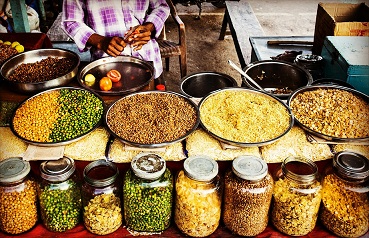
Is FSSAI watching Indian street food?
Is FSSAI watching Indian street food?
Indian street food has captivated food lovers and regulators. The Food Safety and Standards Authority of India (FSSAI) is key. It oversees and promotes food safety across the nation. This sparks a crucial inquiry: Is the FSSAI watching Indian street food? India is famous for its rich culture and diversity.
At the heart of this cuisine is street food. It embodies regional flavors, traditions, and vibrant cultures. Indian street food, from city stalls to roadside vendors, tempts the taste buds. This blog post explores five Indian states famous for street food. It highlights the iconic dishes that define each region.
- Maharashtra: A Culinary Melting Pot
Maharashtra, with its busy cities like Mumbai and Pune, is a street food lover’s paradise. The state’s street food scene is a vibrant mix that caters to various tastes and preferences.
Common Street Foods: With its busy cities like Mumbai and Pune, Maharashtra.
Vada Pav: Known as the “Indian burger,” this spicy potato fritter is served in a bun with tangy chutney.
Pani Puri: A popular snack. It has hollow puris filled with spicy water, chutney, and various fillings.
Pav Bhaji: A mash of vegetables cooked in spices and served with buttered bread rolls; it is a staple in Mumbai.
- Delhi: The Food Capital of India
Delhi, the bustling capital, has diverse street foods. They reflect its rich history and multiculturalism. The streets are a feast for those seeking cheap, tasty snacks.
Common Street Foods:
Chaat includes dishes like Aloo Tikki Chaat and Bhel Puri. They are known for their mix of flavors and textures.
Kebabs: Try the seekh and tandoori variations. They are must-try, succulent, and flavorful meat dishes.
Parathas: The famous Paranthe Wali Gali in Chandni Chowk serves a variety of stuffed, deep-fried parathas. They are golden and perfect.
- Tamil Nadu: Spices and Tradition
Tamil Nadu’s street food, in southern India, is a spicy, traditional delight. The region’s culinary offerings are vibrant, showcasing its rich heritage.
Common Street Foods:
Sundal: A healthy snack made from boiled legumes, seasoned with spices and coconut.
Murukku: A crunchy, spiral snack made from rice flour and lentils. It’s often enjoyed during festivals.
Dosa: A rice crepe filled with various ingredients, especially potatoes. It is served with chutney and sambar.
- West Bengal: A Flavorsome Legacy
West Bengal is famous for its sweets and snacks. It is a top spot for street food lovers. The variety of street food shows a rich culinary tradition.
Common Street Foods:
Puchka is a Bengali version of Pani Puri. It’s a beloved snack made with tamarind water and spicy fillings.
Fish Fry: Crispy, deep-fried fish fillets, marinated in spices. It is often served with a tangy sauce.
Macher Jhol: It’s a home-cooked dish. But roadside stalls serve simpler versions with rice. It’s a quick, yet filling meal.
- Gujarat: A Wholesome Delight
Finally, Gujarat is famous for its unique flavors and vegetarian street food. The state’s cuisine uses fresh ingredients and sweet-savory combinations.
Common Street Foods:
Khandvi: Thin rolls of gram flour and yogurt, seasoned with mustard seeds and coriander.
Fafda: A crispy snack made from gram flour, often served with spicy chutney and papaya salad.
Street food hygiene often raises concerns about vendors’ cleanliness in busy urban areas. The Food Safety and Standards Authority of India (FSSAI) was set up under the 2006 Food Safety and Standards Act. Its main goal is to ensure that food products in India are safe and of high quality. This organization sets science-based standards for food items.
It enforces regulations to protect consumers. Yet, the complexity and uniqueness of street food pose challenges. They hinder the effective implementation of safety standards. Limited access to resources and vendors’ varying awareness of hygiene worsen the situation. This impacts the safety and quality of street food for the public.
FSSAI focuses on promoting food safety licenses for street food vendors, mandating that all must obtain one to operate legally. However, compliance varies, with many vendors unaware of these requirements and facing financial challenges in navigating the permit process. This non-compliance poses risks to food safety and public health, undermining FSSAI’s regulatory efforts.
Enforcing these regulations is difficult, leading to inconsistent food safety standards affecting consumers and the street food sector’s integrity. To address this, FSSAI has launched outreach programs to educate vendors through workshops on hygiene, food handling, and licensing. Campaigns like “Eat Right India” also promote safe street food choices.
The FSSAI’s success in regulating street food hinges on its collaboration with local bodies. Many city governments have taken the initiative to regulate street vendors. These rules often set up designated vending zones for food vendors. They also require periodic health inspections to ensure food safety and hygiene. Yet, challenges remain.
Gaps exist in enforcing these regulations and in allocating the necessary resources. This can lead to varied experiences for street food vendors and their customers. It results in inconsistencies that differ greatly from city to city. Efforts are being made, but the situation is complex. It needs more work to ensure uniform standards everywhere.
Also, street food apps and delivery platforms have changed India’s street food scene. They are now very popular. These innovations improve access to street food. But, they raise concerns about the food’s traceability and safety. As these platforms expand and proliferate, the FSSAI faces a challenge. It must adapt its regulations. This adaptation is vital. It will ensure food safety in a fast-changing world. It will also address the complexities of modern food service models.
In conclusion, the FSSAI is making great progress in regulating Indian street food. We must recognize that this task has many complex challenges. We must take a broad and cooperative approach to tackle these challenges. It should include educating vendors and consumers, effective licensing, strict food safety enforcement, and a willingness to adapt to changes in the street food market.
Street food safety is vital. It protects consumers’ health. It also supports the growth of this beloved cultural sector in India. As vendors, consumers, regulators, and health officials push for better food laws, a delicate balance may define the future of Indian street food. This balance must navigate the clash between two things.
First, the cherished traditions that make street food unique. Second, the safety measures that ensure public health. We must balance the street food culture’s informality with food safety regulations. By recognizing these interactions and seeking harmony, we can create a vibrant street food scene. It should honor both the past and the future.













Post Comment